“The shift is from asking ‘who replaces this person?’ to
asking ‘what capabilities will we need?’”

Pragati Parihar · Director of Business Development, ClayHR

Readiness has three parts a job title won't show

Capabilities

The competencies and leadership qualities the role needs.

Knowledge

Technical expertise and an understanding of how the organisation works.

Relationships

The networks and trust that let someone get things done.

Start with the capability, not the chair

Traditional succession planning starts with a seat and looks for a name. That works when tomorrow's
role looks like today's. Fewer roles do.

Replacement planning

“Who replaces this person?”

  • Starts when a seat opens
  • Picks today's top performer by default
  • A list of names, reviewed once a year

Capability planning

“What capabilities will
we need?”

  • Starts years before a seat opens
  • Looks at skills, potential and adjacent experience
  • A development plan that keeps moving

From potential to readiness

Identifying a potential successor is only the beginning. ClayHR's AI agents help turn potential into readiness, in a cycle that keeps running.

Miles plans

Assembles and maintains the succession plan.

Vera assesses

Scores how closely a candidate matches the target role.

Sage develops

Supports employees as they build the missing skills.

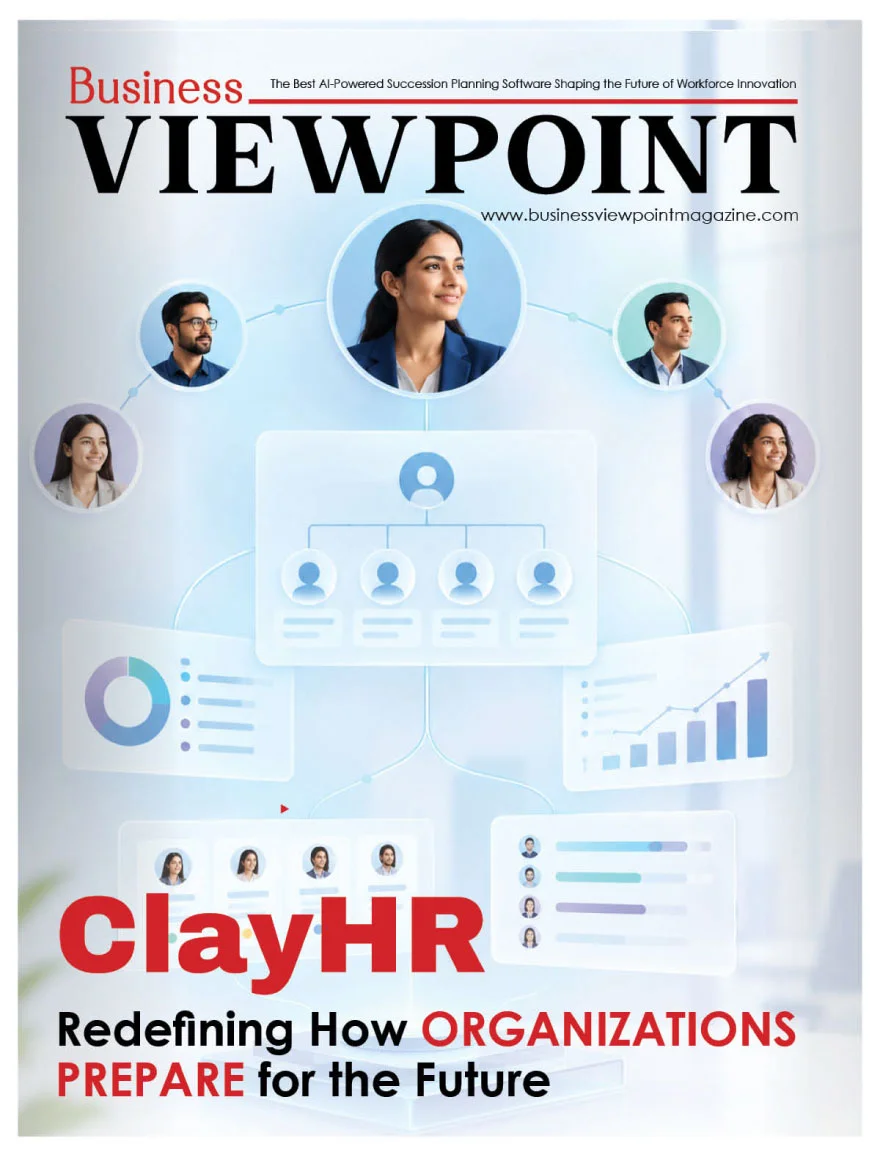
The full story, in
Business Viewpoint Magazine

This page covers the core idea. The feature goes further,
with our leadership team on AI, readiness and where HR technology is heading.

Published 7 October 2026      13 min read
Inside the feature
  • Why top performers aren't automatic successors
  • The CKR framework for role readiness
  • Partnerships and where HR tech goes next
Read Full Article

Is your succession plan asking the right question?

If you're working out how to make succession planning about readiness rather than replacement, we're happy to talk it through.